
As global consumers become more informed and selective, cooking is increasingly guided by precision, transparency, and ingredient quality. This evolution raises a critical question across modern kitchens and food businesses:
Should you choose single-origin spices or blends?
The answer depends on usage—but for those prioritizing control, authenticity, and premium results, the distinction is more important than ever.
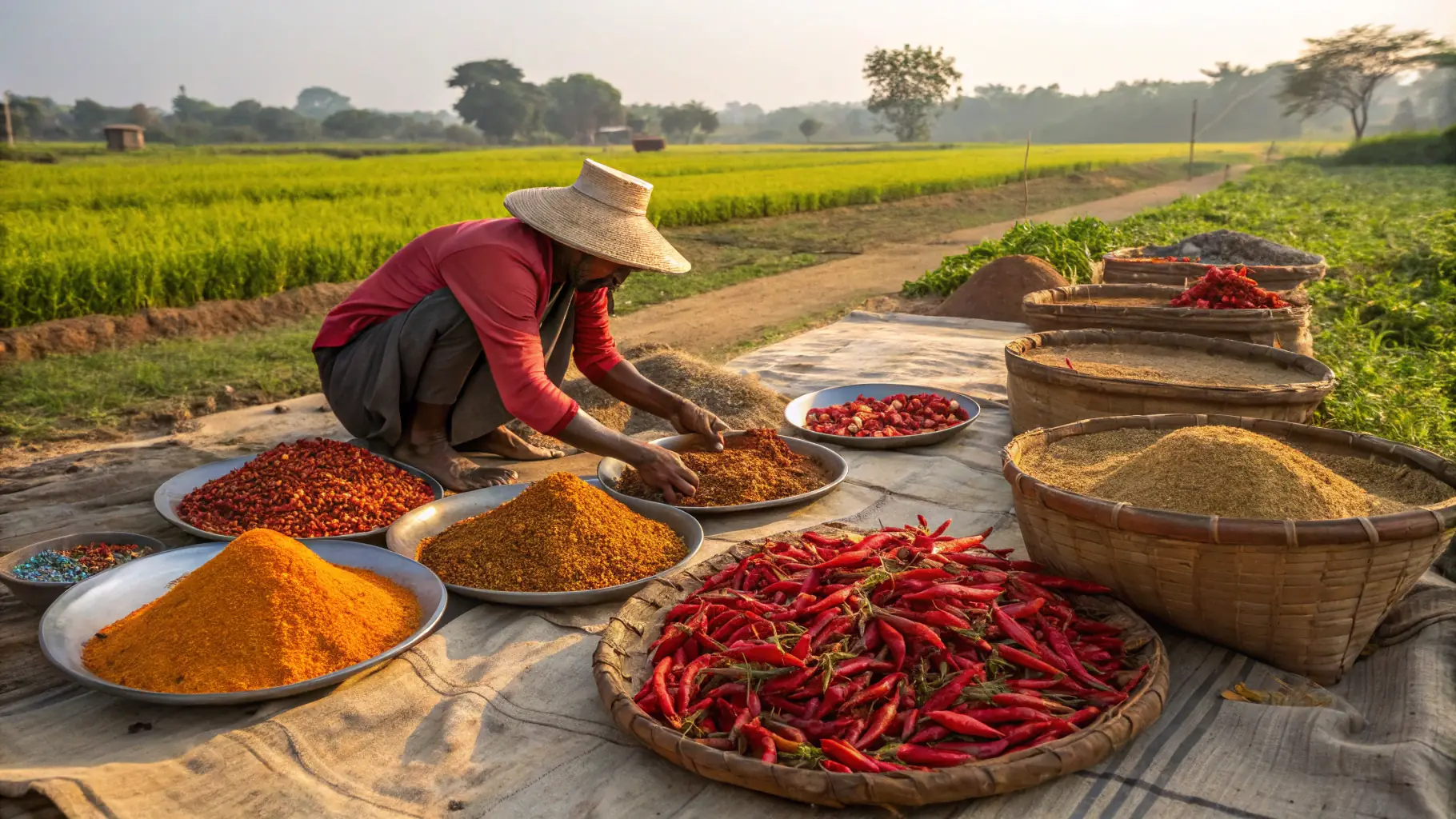
Single-origin spices are sourced from a specific region, harvest cycle, and growing ecosystem, preserving the natural characteristics of that origin.
In the case of Kerala, India—globally known for its spice heritage—this means:
● Distinct terroir-driven flavor profiles
● High essential oil content
● Consistent aromatic intensity
● Full traceability from source to market
For importers and distributors, single-origin spices represent premium, differentiated products with clear positioning.
Across European markets and beyond, consumer preferences are shifting toward:
Purity
No mixing or dilution—just the natural spice in its original form.
Transparency
Clear origin and sourcing information builds trust and supports informed decisions.
Flavor Integrity
Each spice delivers its authentic profile, allowing precise flavor development.
This trend mirrors other premium categories such as specialty coffee and origin-base foods, where provenance directly influences perceived value.
Spice blends are pre-mixed combinations of multiple spices, designed for convenience and standardized flavor outcomes.
They are typically:
● Ready-to-use
● Designed for quick preparation
● Built for consistent, repeatable taste
Blends are widely used across retail and food service due to their ease of application.
Blends remain relevant in specific use cases:
● Time-sensitive cooking environments
● Quick replication of specific cuisines
● Entry-level cooking or experimentation
However, most commercial blends compromise on:
● Freshness and volatile oil retention
● Aromatic complexity
● Flexibility in flavor control
Dish: Vegetable Soup
● Using a blend → standardized, often generic flavor
● Using single-origin spices →
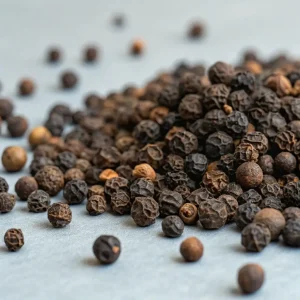
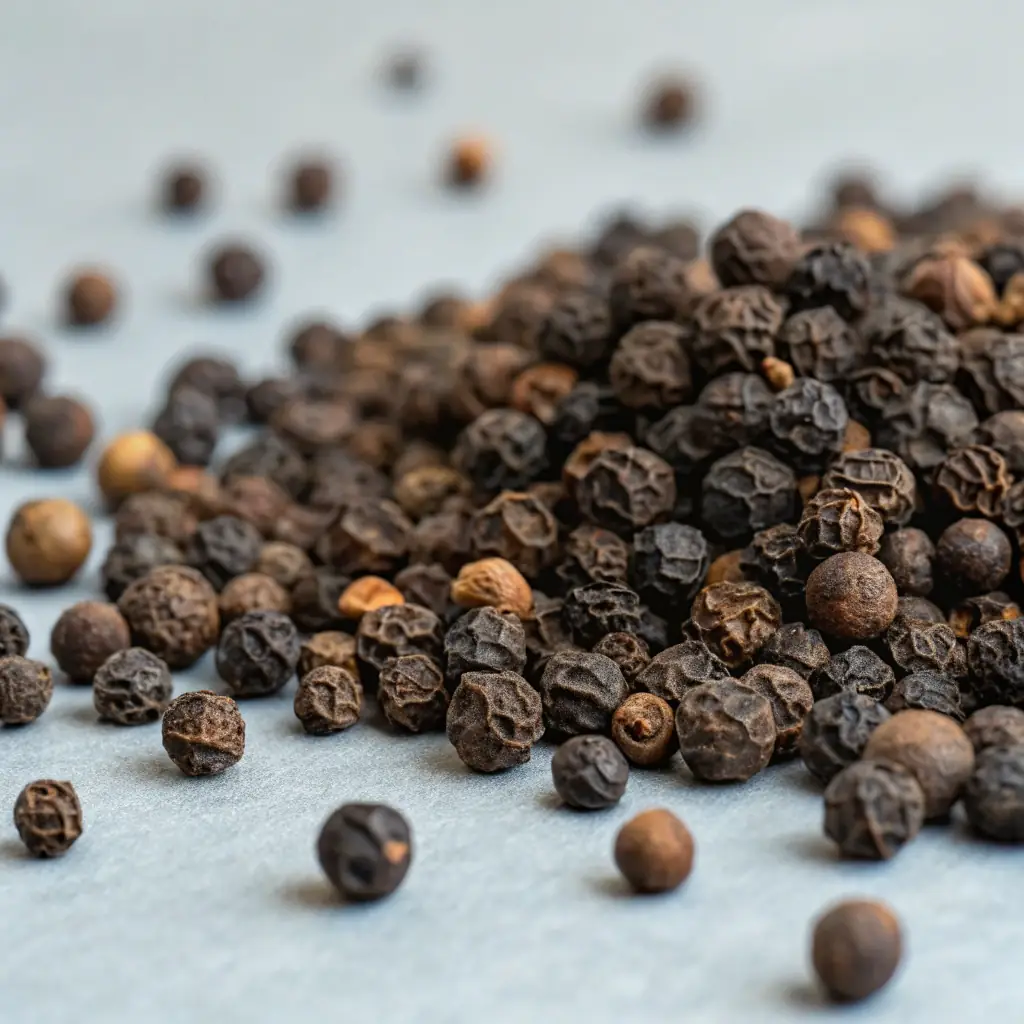
○ Black pepper for structured heat
○ Turmeric for depth and balance
○ Optional cardamom for aromatic lift
Result: A more refined, layered outcome—without increasing complexity.
Single-origin spices are ideal when the goal is:
● Maximum flavor clarity
● Control over intensity and balance
● Premium cooking results
● Clean-label, traceable ingredients
They are preferred by:
● Quality-focused home cooks
● Health-conscious consumers
● Food service professionals
● Premium retail and private label brands
Blends remain useful when:
● Speed and efficiency are priorities
● A specific cuisine needs quick replication
● Consistency is more important than customization
However, an emerging trend is custom blending using single-origin spices, allowing
users to combine convenience with quality.
Keralam is positioned as a B2B-focused Indian manufacturer and exporter, delivering authentic Kerala-origin spices to international markets.
Its model combines:
● Direct sourcing from Kerala
● High essential oil retention through controlled processing
● Consistent, export-grade quality
This enables partners to achieve:
● More flavor with less product
● Greater control in formulation
● Higher trust through traceability
With presence in markets such as Switzerland and expansion across Europe, Keralam is built for scalable global distribution.
For everyday cooking and premium food applications:
Single-origin spices offer a clear strategic advantage.
They deliver:
● Precision
● Transparency
● Authenticity
● Flexibility
Blends provide convenience—but single-origin spices provide control and differentiation.
Cooking is evolving from routine to refined practice. Choosing single-origin spices is not just a preference—it reflects a broader shift toward:
● Better ingredient sourcing
● Smarter cooking decisions
● Elevated everyday outcomes
In this landscape, origin-driven spices are no longer niche—they are becoming the new global standard.
A Strategic Perspective on Flavor Control, Quality, and Ingredient Transparency As global consumers become more
The Global Shift Toward Ingredient-Led Culinary Excellence Across global markets, everyday cooking is evolving beyond
A Precision Approach to Flavor Using Export-Grade Ingredients Modern kitchens—whether in Europe, the Middle East,

Keralam Authentic Kerala spices delivered to Switzerland.
© 2025 Keralam. Authentic Kerala Products. Switzerland.