
Exploring the Flavors of South India Through Authentic Spices
Across international markets, there is a clear shift toward authentic regional cuisines rather than generalized “international food.” From Europe to the Middle East and beyond, chefs, distributors, and food businesses are actively seeking distinct culinary identities rooted in tradition.
Among these, Kerala cuisine from South India is steadily gaining recognition. Known for its refined spice balance, coconut-based preparations, and rice-centric meals, Kerala cuisine offers a unique flavor profile that differs significantly from mainstream Indian food categories. As global demand for authenticity rises, Kerala’s culinary heritage is finding its place in professional kitchens and premium food segments worldwide.
Kerala cuisine originates from the southwestern coast of India—historically known as the “Land of Spices.” Its culinary identity is shaped by centuries of spice trade, coastal geography, and agricultural diversity.
Key characteristics include:
● Balanced and layered spice combinations
● Coconut-based cooking (oil, milk, grated coconut)
● Rice as a staple foundation
● Strong use of fresh vegetables and seafood
Unlike cuisines that rely heavily on heat or intensity, Kerala cooking builds complexity through precision blending of spices, including:
● Turmeric
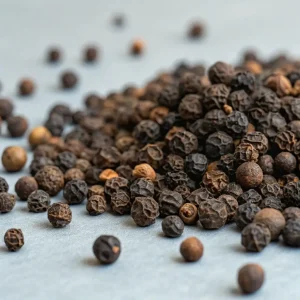
● Black pepper
● Coriander
● Cumin
● Cardamom
This results in dishes that are aromatic, structured, and deeply flavorful without being overpowering.
Growing Demand for Authentic Regional Cuisine Buyers and distributors are moving away from generic offerings toward region-specific food experiences. Kerala cuisine fits perfectly into this shift, offering a clearly defined identity rooted in origin.
Alignment with Clean-Label and Natural Ingredients
Kerala cooking relies on:
● Whole spices
● Coconut-based ingredients
● Lentils and rice
● Fresh vegetables
This naturally aligns with clean-label trends and transparency in sourcing, which are increasingly important in international food markets. Strong Fit for Plant-Based Trends
Many Kerala dishes are inherently plant-based, including:
● Lentil curries
● Vegetable stir-fries
● Coconut-based preparations
● Rice meal combinations
This positions Kerala cuisine as a natural solution for plant-forward menus, without requiring reformulation.
Across food service, retail, and home cooking segments, several Kerala dishes are gaining
traction:
Sambar
A lentil-based vegetable curry known for its balanced spice profile and versatility.
Vegetable Thoran
A lightly spiced vegetable stir-fry with coconut—simple, adaptable, and widely appealing.
Kerala Fish Curry
A coastal specialty combining spices, tamarind, and coconut oil for a distinctive flavor.
Appam and Idli
Rice-based staples that are increasingly featured in global breakfast and light-meal formats. These dishes are gaining attention not just for taste, but for their scalability in commercial kitchens and adaptability across markets.
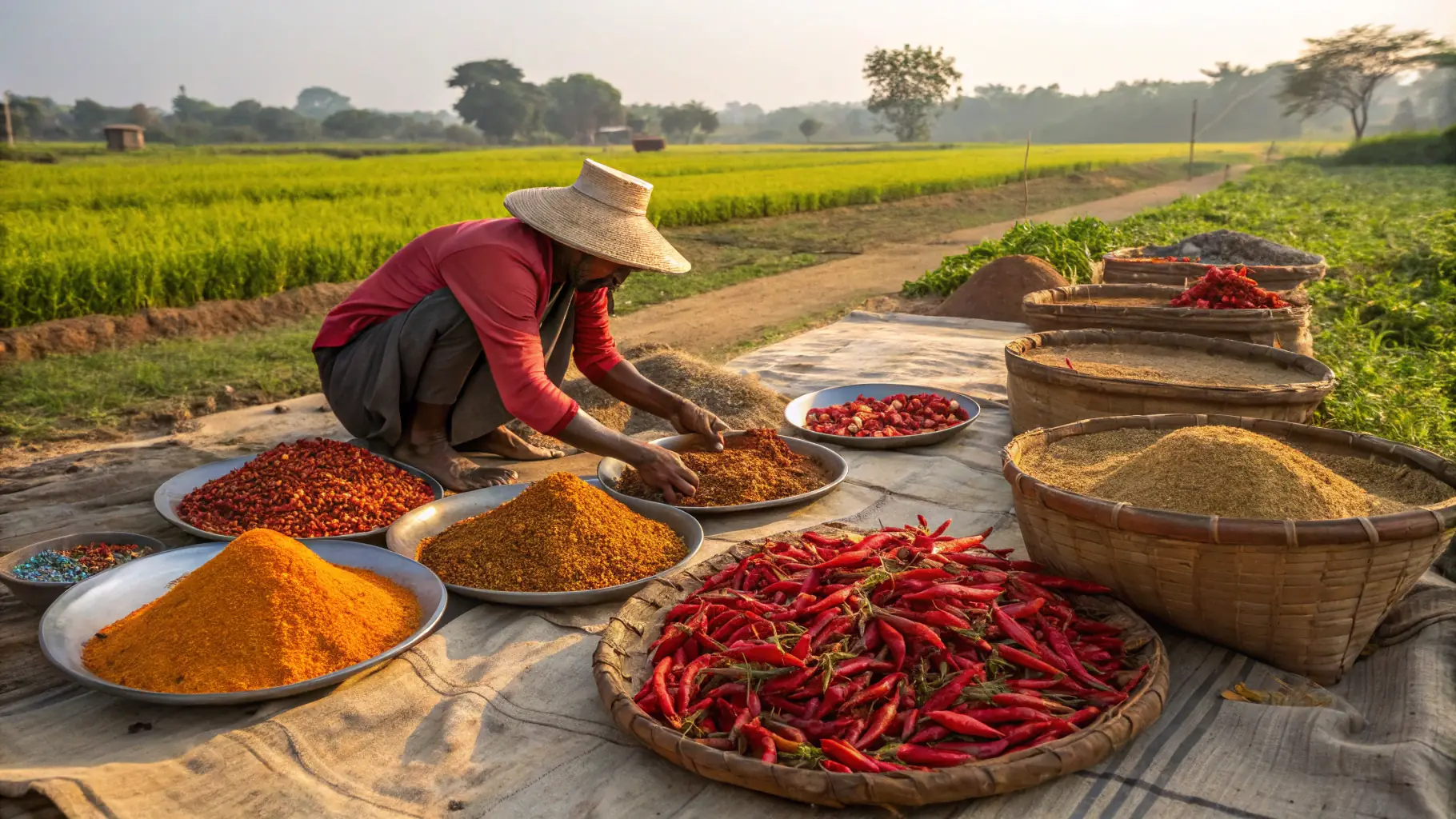
Spices are the foundation of Kerala cuisine’s identity.
Rather than highlighting a single dominant spice, Kerala cooking emphasizes precision
blending, where each spice contributes to a layered flavor structure.
Core spices include:
● Malabar black pepper
● Turmeric
● Coriander
● Cumin
● Cardamom
For international buyers and distributors, this creates opportunities to offer:
● Premium single-origin spices
● Blended spice solutions
● Value-added culinary ingredients
One of the key advantages of Kerala cuisine is its adaptability.
Professional kitchens and food businesses can recreate authentic flavors using:
● Locally sourced vegetables
● Standard rice and lentils
● Authentic spice blends
This makes Kerala cuisine highly suitable for:
● Food service chains
● Ready-to-cook product lines
● Retail spice categories
● Private label offerings
As demand grows, authentic sourcing becomes critical.
Key ingredients include:
● Origin-specific Kerala spices
● Coconut oil and derivatives
● Traditional spice blends (e.g., sambar powder)
● Regional rice varieties
Consistency, traceability, and processing standards are essential to ensure that global consumers experience true Kerala flavors not approximations.
Keralam is positioned as a B2B-focused Indian manufacturer and exporter, delivering
authentic Kerala spices and food products to international markets.
With sourcing rooted in Kerala and infrastructure designed for scalability, Keralam supports:
● Importers and distributors
● Private label partnerships
● Food service suppliers
● Retail expansion across multiple regions
The brand combines:
● Indian origin authenticity
● Export-grade processing and quality control
● Global distribution capability
Its presence in markets such as Switzerland serves as a proof of international
acceptance, while ongoing expansion targets regions including Europe and beyond.
As global food markets continue to evolve, Kerala cuisine offers a distinct, scalable, and
commercially viable opportunity.
From traditional dishes to modern adaptations, its foundation in spice expertise and natural
ingredients makes it highly relevant across:
● Retail
● Food service
● Health-focused product segments
● Ethnic and premium food categories
If you are looking to introduce authentic Kerala flavors into your market:
● Explore export-ready spice solutions
● Develop private label product lines
● Partner with a scalable Indian supplier
Keralam enables global access to Kerala cuisine—through consistent quality, reliable
sourcing, and export-focused operations.
A Strategic Perspective on Flavor Control, Quality, and Ingredient Transparency As global consumers become more
The Global Shift Toward Ingredient-Led Culinary Excellence Across global markets, everyday cooking is evolving beyond
A Precision Approach to Flavor Using Export-Grade Ingredients Modern kitchens—whether in Europe, the Middle East,

Keralam Authentic Kerala spices delivered to Switzerland.
© 2025 Keralam. Authentic Kerala Products. Switzerland.