
Spices are among the most traveled ingredients in the world. Long before they reach a kitchen shelf, they pass through a complex journey that begins in agricultural regions known for centuries of cultivation expertise.
For authentic Kerala spices, that journey starts in the tropical landscapes of southern India and continues through carefully managed supply chains before arriving in Swiss kitchens.
At Keralam, the goal is to preserve the authenticity, aroma, and heritage of these spices while ensuring they meet the structured quality expectations of the Swiss market. Understanding this journey helps reveal why origin, sourcing practices, and compliance standards matter in the modern spice industry.
Kerala has been globally recognized as the Land of Spices for more than two thousand
years.
The region’s geography creates ideal conditions for spice cultivation:
● tropical rainfall
● fertile soil
● forested hills and plantations
● traditional farming knowledge
Many of the spices that shaped global trade routes originate from this region,
including: ● Malabar black pepper
● turmeric
● green cardamom
● cinnamon
● cloves
These spices were historically exported to Europe through maritime trade routes, making
Kerala one of the earliest centers of global spice commerce.
Learn more in our guide to Kerala Spices in Switzerland.
Every spice begins as a carefully cultivated agricultural crop.
Farmers in Kerala have developed generations of expertise in growing spices adapted to the
region’s climate and terrain.
For example:
Black pepper grows as a climbing vine supported by trees in spice plantations. Turmeric grows underground as a rhizome and is harvested after several months of maturation.
Cardamom grows in shaded mountain plantations where humidity and temperature
conditions support optimal growth. These crops require careful monitoring, seasonal harvesting, and post-harvest processing to preserve their natural qualities.
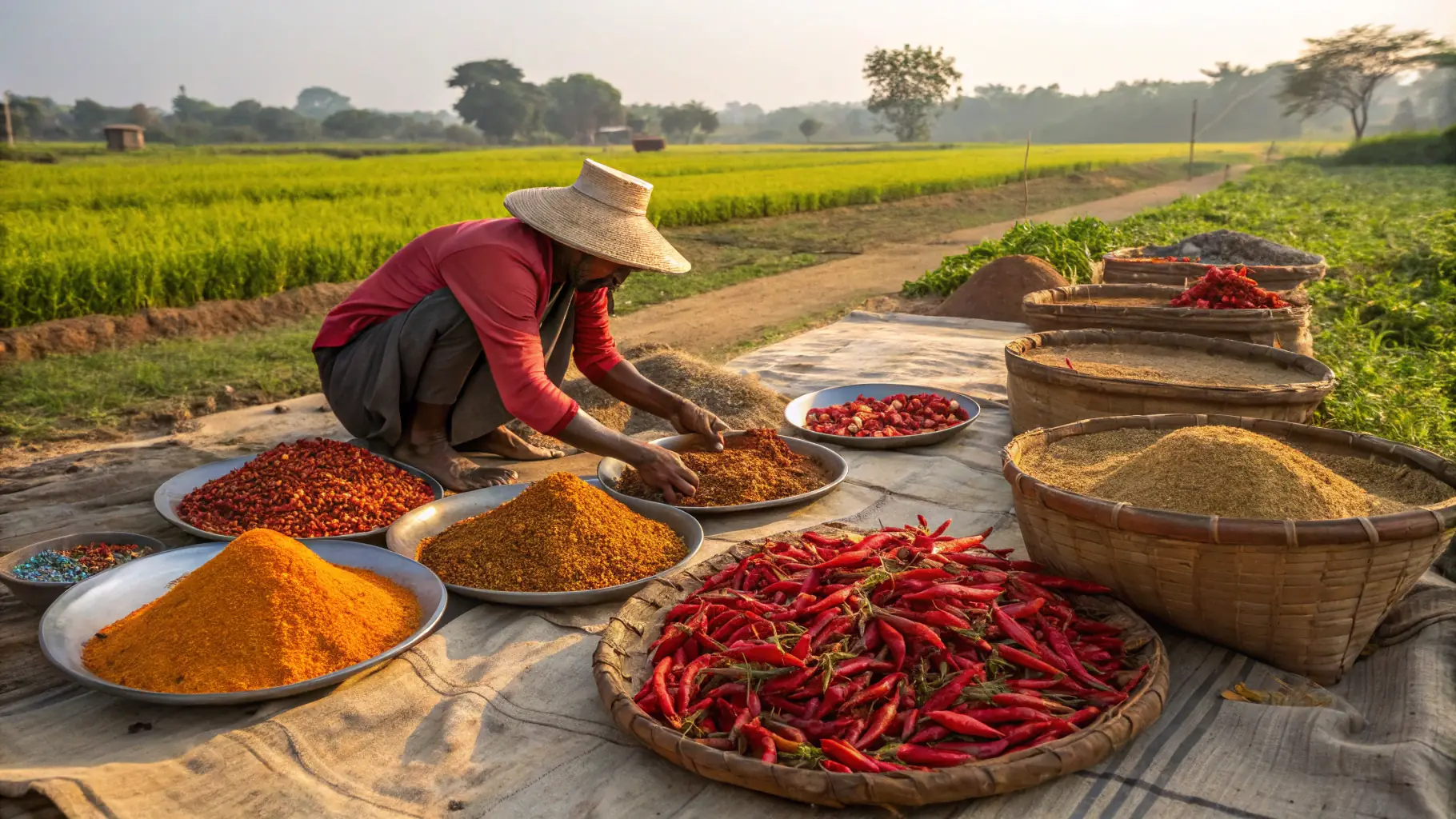
Once spices are harvested, they undergo several important processing steps before entering
the global supply chain.
Drying
Many spices must be dried to reduce moisture and preserve aroma.
For example:
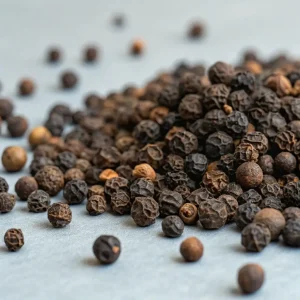
Pepper berries are harvested green and then dried to form the black peppercorns widely
used in cooking.
Cleaning and Sorting
After drying, spices are cleaned and sorted to remove impurities and ensure
consistent quality.
Sorting also helps maintain uniform size and appearance for spices such as peppercorns
and cardamom pods.
Grinding (For Powdered Spices)
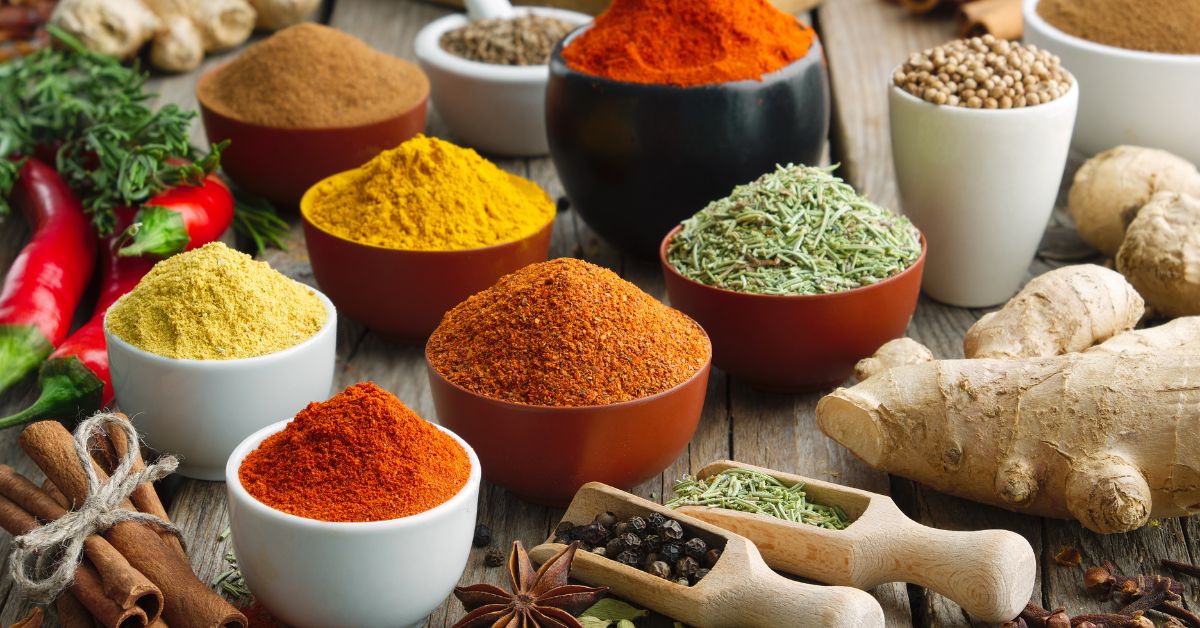
Some spices are later ground into powders such as:
● turmeric powder
● chilli powder
● coriander powder
Grinding must be carefully controlled to preserve essential oils that contribute to aroma and
flavor.
The quality of spices depends heavily on preserving natural characteristics during
processing.
These characteristics include:
● aroma intensity
● essential oil content
● natural color
● flavor complexity
Improper storage or excessive processing can reduce these qualities.
Responsible sourcing systems help maintain the natural integrity of spices before they reach
international markets.
When spices are imported into Switzerland, they must meet strict regulatory standards.
These include:
● food safety compliance
● traceability documentation
● labeling transparency
● controlled import procedures
Switzerland maintains some of the most rigorous food safety standards in the world, making
regulatory alignment essential for spice suppliers.
Learn more about Swiss Food Quality Standards for Spices.
Once spices enter the Swiss market, they must be packaged, labeled, and distributed
according to Swiss food law requirements.
Important elements include:
● ingredient transparency
● origin identification
● importer information
● nutritional labeling where required
These regulations ensure consumers receive clear information about the food products they
purchase.
Keralam was created to bridge two worlds:
Kerala’s spice heritage and Switzerland’s quality expectations.
The brand focuses on:
● authentic Kerala-origin sourcing
● structured import procedures
● transparent product labeling
● consistent flavor integrity
By combining these elements, Keralam introduces spices that reflect both traditional agricultural knowledge and modern regulatory standards. Learn more about the Story Behind Keralam.
Once spices reach the kitchen, they become the foundation of countless recipes. Kerala spices can be used in:
● traditional South Indian dishes
● vegetarian curries
● rice-based meals
● fusion recipes with European ingredients
Their aromatic complexity makes them versatile ingredients for both traditional and modern cooking styles.
Explore our guide to Cooking with Kerala Spices in Switzerland.
Understanding the journey of spices helps highlight the importance of:
● responsible sourcing
● agricultural expertise
● supply chain transparency
● food safety compliance
These factors ultimately determine the quality, authenticity, and flavor of the spices used in cooking.
For consumers seeking authentic culinary experiences, origin and traceability play an increasingly important role.
From the spice plantations of Kerala to modern Swiss kitchens, the journey of a spice represents centuries of agricultural tradition and culinary heritage.
Keralam brings these authentic flavors to Switzerland while maintaining the standards expected in one of the world’s most quality-focused food markets. Explore our Kerala spice collection
A Strategic Perspective on Flavor Control, Quality, and Ingredient Transparency As global consumers become more
The Global Shift Toward Ingredient-Led Culinary Excellence Across global markets, everyday cooking is evolving beyond
A Precision Approach to Flavor Using Export-Grade Ingredients Modern kitchens—whether in Europe, the Middle East,

Keralam Authentic Kerala spices delivered to Switzerland.
© 2025 Keralam. Authentic Kerala Products. Switzerland.